Diamond Co.
Diamond Co. / Templates & kits
Templates & kits

D&D GM Zero-to-Hero Session Planner Pack

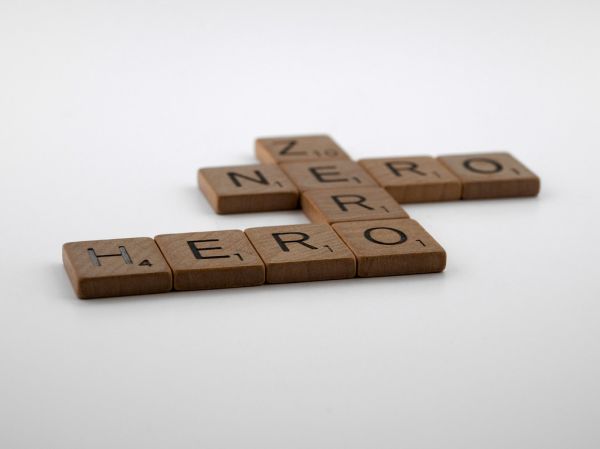
“Nero, Zero, Hero” by Brett Jordan · CC BY 2.0 via Openverse

Free toolkit for new and growing Dungeon Masters.

What is it?

A digital collection of session-planning worksheets, encounter templates, and world-building prompts designed to help Game Masters move from their first table to running confident, organized games—without the blank-page stress. The pack is system-agnostic and built for quick prep (15–30 minutes) so you can spend more time playing and less time planning.

Who is this for?

  • New GMs who’ve never run a session and don’t know where to start
  • Hobbyist DMs looking to streamline prep and reduce planning fatigue
  • Players transitioning into GMing who want structured, low-overhead tools
  • Busy creators who want a printable, reusable pack without subscription noise

What’s Inside

  • Session outline template – objective, encounter, roleplay, and wrap-up prompts
  • Encounter balancing quick-reference – monster difficulty tags and party-size guidelines
  • World-building prompt cards – locations, NPC hooks, mysteries, and adventure seeds
  • Adventure hook generator – minimal d30-style tables for instant inspiration
  • Note-taking & continuity sheet – track plot threads, character arcs, and session-to-session notes

Look inside before you buy

Inside the product

  • What’s Included
  • 1. Session Outline Templates (5 total, PDF, printable, A4/Letter)
  • 2. Encounter-Balancing Cards (30 total, PDF, printable, A4/Letter)
  • 3. World-Building Prompt Cards (20 total, PDF, printable, A4/Letter)
  • 4. d30 Hook Table (PDF, printable, A4/Letter)
  • 5. Editable Source Files (Optional, $5 add-on)
  • Format & Usage
  • Legal & Privacy

Sample from the actual product


## **What’s Included**
### **1. Session Outline Templates (5 total, PDF, printable, A4/Letter)**
- **Blank Session Plan** (Customizable grid for hooks, encounters, and NPCs)
- **Adventure Outline** (Pre-formatted sections for plot twists, resolutions, and pacing)
- **One-Shot Outline** (Quick 1-2 hour adventure template)
- **Dungeon Crawl Outline** (Map grid + encounter slots)
- **Wilderness Adventure Outline** (Terrain notes + travel time tracker)

### **2. Encounter-Balancing Cards (30 total, PDF, printable, A4/Letter)**
- **Dungeon Encounters** (Traps, puzzles, boss fights)
- **Wilderness Encounters** (Ambushes, weather events, NPC interactions)
- **Town Encounters** (Quests, rumors, local conflicts)
- **Difficulty Ratings** (Easy/Medium/Hard with XP/CR references)

### **3. World-Building Prompt Cards (20 total, PDF, printable, A4/Letter)**
- **Factions** (e.g., "A secretive guild of thieves")
- **Locations** (e.g., "A cursed forest with shifting paths")

A short excerpt from the delivered content. Check the examples and format fit your needs.

Tips & notes

Mini Checklist: Session Zero Foundations

  • Write each player’s character goal in one sentence
  • Note three world details they can directly influence
  • Agree on the table’s tone & expected session length

This gives you instant hooks and prevents early-game drift.
Stop Prepping Entire Dungeons

Pick one central encounter, one environmental detail, and one NPC hook per session. Write them on a notecard. When players go off-script, use the detail to improvise rather than forcing them back to your plan. It cuts prep time in half and keeps sessions agile.

Before the session opens your planner

  • Pick one location players will actually visit
  • Name one NPC they’ll interact with
  • Write one sentence: “What’s at stake right now?”

That’s it. Everything else is window dressing.

The 3-Item Session Prep Filter

  • One hook tied to a player goal: Write a single sentence connecting the opening scene to something a player cares about. Everything else is optional.
  • One location detail: Choose a single room, street, or area and note three things the players can interact with or notice.
  • One “or what?” complication: Prepare a single consequence if the players do nothing or fail a check—a wandering monster, a tight deadline, an NPC departure.

Don’t prep NPCs—prep situations

New GMs often write full character sheets for every NPC the party might meet. When players ignore most of them, that prep is wasted and the game can feel railroady.

The fix: The “Signature + 2 Hooks” method.

For each potential NPC, write just:

  • A name or title
  • One signature trait (a catchphrase, visual quirk, or defining mannerism)
  • Two quick hooks (what they’re after, or what they’re avoiding)

If the party engages, you expand on the spot. If they move on, you’ve lost nothing and kept your session fluid.

The "Two-Scene" Prep Rule

For each session, identify exactly two scenes you absolutely need to run: the opening hook and the climax. Everything else is optional filler. If time runs short, you cut the middle, not the bookends. This keeps sessions tight without over-preparing.

### Session Prep, Simplified
Each sheet in the pack asks you to capture three things: the players' current lead, a location tag, and a loose twist. Fill it in during or between sessions, then use it to steer the next game without opening a blank document.

More from Diamond Co.