Diamond Co.
Diamond Co. / Guides
Guides

Music Conservatory Exam Prep Planner

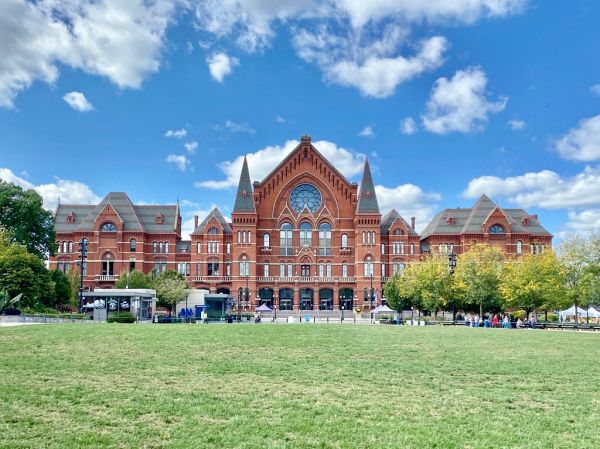
“Cincinnati Music Hall, Elm Street, Over-the-Rhine, Cincinnati, OH” by w_lemay · CC BY-SA 2.0 via Openverse

A free PDF + Notion template to help you organize audition repertoire, music theory practice, and application timelines for conservatory admissions.

This planner is a practical organizational tool designed for students preparing for music conservatory entrance auditions and theory exams. It’s not a course, guarantee of admission, or magic solution—just a structured way to keep track of deadlines, materials, and practice goals in one place.

What’s inside

  • Repertoire tracker – Log each piece, target conservatory, audition date, and status (planned, practicing, memorized, performed)
  • Music theory practice log – Scales, intervals, dictation exercises, and weekly focus areas
  • Application timeline overview – Common fall/winter deadline windows, repertoire preparation milestones, and theory test dates
  • Audition material checklist – Etudes, solo pieces, sight-reading, scales, and required recordings
  • Reflection journal prompts – Short questions to track practice quality, challenges, and progress over time

Who it’s for

  • High school seniors and gap-year students aiming for undergraduate music conservatory admissions
  • Transfer students preparing for jury exams or placement auditions
  • Anyone studying music theory or audition repertoire who wants a consistent tracking system

Why this planner

Conservatory applications involve many moving parts: repertoire lists, application deadlines, theory prep, audition dates, and recording logistics. This resource brings those elements together in two lightweight formats—a printable PDF for quick reference and a Not

Look inside before you buy

Inside the product

  • Your Instrument-Specific Success Blueprint for Conservatory Admissions
  • Core Features
  • 1. Instrument-Specific Templates
  • 2. Advanced Repertoire Tracker
  • 3. Precision Application Timeline
  • 4. Comprehensive Theory Prep
  • 5. Admissions Checklist
  • Preparation Roadmap

Sample from the actual product


## Your Instrument-Specific Success Blueprint for Conservatory Admissions

---

## Core Features

### 1. Instrument-Specific Templates
- **Pre-built frameworks** for all major instruments (violin, piano, voice, woodwinds, brass, percussion, guitar)
- **Customizable fields** for unique requirements (e.g., "unaccompanied recording specs" for violinists, "accompanist requirements" for vocalists)
- **Example:** Download the free PDF to see Juilliard violin prescreen requirements vs. Curtis vocal pedagogy exam details

### 2. Advanced Repertoire Tracker
- **Status tracking:** Planned → Practicing → Memorized → Performed
- **Mandatory submission fields** for each conservatory:
  - Recording format (e.g., "single-take, no edits")
  - Video length limits
  - Accompanist requirements
  - Prescreen vs. live-round distinctions
- **Example:** Compare Juilliard violin (no edits) vs. Curtis piano (specific camera angles)

### 3. Precision Application Timeline

A short excerpt from the delivered content. Check the examples and format fit your needs.

Tips & notes

Practice Starting Mid-Piece

Running a piece from bar 1 every time creates a "safe zone" at the beginning and leaves weak spots at the end. Examiners rarely start at the beginning, and nervousness often makes the start falter.

This week, pick a random measure and start your practice session from there. Work forward, then circle back. This builds equal confidence across the entire piece and prepares you for the unpredictable flow of an exam.

3 Exam Prep Habits Most Students Skip

  1. Play from the ending. Start your run-throughs from the last movement or final page. This builds confidence in the material you’re least likely to rehearse in order, and reduces the “start-over” habit that sabotages exam flow.
  1. Practice transitions, not just passages. Identify the two-measure connection between every section and loop only that link. Examiners often judge continuity more than individual note-perfect segments.
  1. Schedule one “no-stop” run per week. Set a timer and play the entire program straight through, even if mistakes happen. This trains stamina and teaches you how to recover—a skill rarely developed when you stop to fix every slip.

Don't Practice "Perfectly" in the Room

Many students perfect a piece in isolation, then crash when performing it under pressure. Conservatory exams require you to play through mistakes, not stop and fix every slip.

The fix: Once a week, run the entire program straight through—no pausing, no repeats, at performance tempo. Record it if you can. The goal is stamina and recovery, not perfection.

## Study the score before you study the notes

Before playing a single phrase, spend one focused session mapping your repertoire’s structure. Identify key changes, cadential points, and recurring motifs. This mental map prevents “noodling” into muscle memory and gives you a coherent interpretive framework examiners notice.

Try it: open the score, grab a pencil, and diagram the form in 10 minutes. Then practice each section knowing how it fits the whole.

Common mistake: Playing from start to finish every time

Running through a piece from the beginning each session reinforces the opening and leaves endings unstable. It also masks sections that need the most work, creating a "performance gap" on exam day.

How to avoid it: Pick a new starting point for every practice session. Use a die, randomizer, or simply choose the last measure you played yesterday. This forces even attention across the entire program and builds genuine memorization, not just muscle memory for the intro.

Common Mistake: Repeating from the Beginning Every Time

Students often start from the top of a piece each session, which cements the opening and leaves later sections shaky under exam pressure.

How to avoid it: Label each practice segment (A, B, C…) and start from a different label each day. This ensures every section gets equal attention and builds confidence that the piece holds together from any starting point.

Exam Day Checklist (The Night Before)

  • Lay out your instrument, music, and any required forms
  • Run through your program once at performance tempo, without stopping
  • Record it. Listen back only for pacing, not perfection
  • Set an alarm 3 hours before departure; stick to it
  • Do 10 minutes of light stretching or breathing exercises

🎯 One tip: Warm up after you arrive, not before you leave home. A focused 10-minute session at the venue beats a rushed 30-minute one at home, and it signals to your brain that it's "go time."

## Mistake: always starting at measure 1

Playing from the beginning every session means your piece’s ending often gets the least rehearsal, so it collapses first under exam nerves.

**The fix:** Rotate your starting point. Pick a random measure, begin there, or practice the last page first. This builds end-to-end reliability and keeps the whole piece secure, not just the opening.

Exam Prep Checklist: The Final 72 Hours

  • Full run‑throughs: Play your entire program straight‑through, without stopping, every two days. Halting to fix notes mid‑run creates hesitation, not flow.
  • Mistake‑through simulation: Practice with a recorder or an audience (even if it’s just you narrating). Get accustomed to continuing past errors—this is where performance poise is built.
  • Physical reset: Spend 5 minutes warming up hands, shoulders, and jaw. Tension often hides until you’re on stage; early awareness prevents it on exam day.
  • Logistics check: Confirm arrival time, warm‑up room access, and required music copies. Avoid the last‑minute “where’s my page turner?” scramble.

Treat these final days as maintenance, not cramming. Consistency now saves stress later.

A Performance-Simulation Habit

The week before a conservatory exam, run a full program play‑through once every three days. Set a timer for the exact duration, play without stopping, and note any moments of hesitation or memory slip. This builds stamina and reveals repertoire gaps that daily chunk practice often masks.

This planner is a fixed digital download: a printable PDF with a repertoire checklist, daily technical rotation map, and performance‑log pages. Use it to structure your final preparation weeks, track what’s solidified, and walk into the exam room with a clear, documented picture of where you stand.

More from Diamond Co.