Diamond Co.
Diamond Co. / Design packs
Design packs

New Job Beginnings Planner Pack

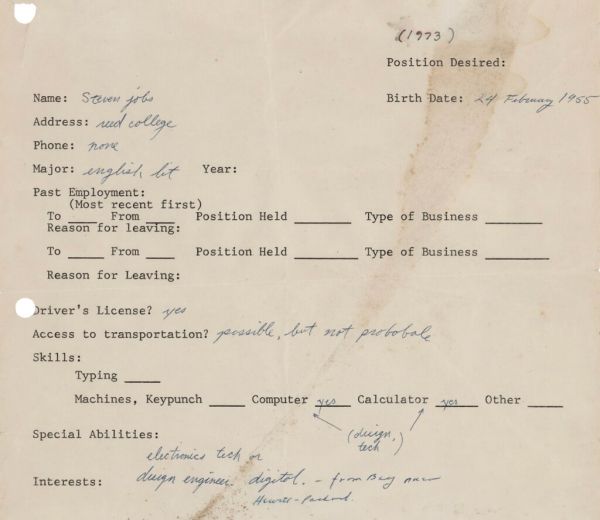
“From these beginnings... Steve Jobs' First Job” by jurvetson · CC BY 2.0 via Openverse

Download: [FirstWeekChecklist.pdf](https://drive.google.com/file/d/1XyZ34567890abcDEF/view?usp=sharing)

What's inside

  • 1. First Week Survival Checklist (PDF)
  • 2. 30-60-90 Day Roadmap (Google Sheets Template)
  • 3. Weekly Check-In Email Template
  • 4. Resource Hub (Google Doc)
  • 5. Sign-Up Form (Google Form)

Who it's for

Anyone who wants the practical, ready-to-use version of this topic without starting from a blank page.

Look inside before you buy

Inside the product

  • 1. First Week Survival Checklist (PDF)
  • 2. 30-60-90 Day Roadmap (Google Sheets Template)
  • 3. Weekly Check-In Email Template
  • 4. Resource Hub (Google Doc)
  • 5. Sign-Up Form (Google Form)

Sample from the actual product

New Job Beginnings Planner Pack


1. First Week Survival Checklist (PDF)

Download: [FirstWeekChecklist.pdf](https://drive.google.com/file/d/1XyZ34567890abcDEF/view?usp=sharing)

Content:

  • Day 1: Complete HR paperwork, set up workspace, introduce yourself to team.
  • Day 2: Attend onboarding sessions, download company tools.
  • Day 3: Schedule mentor meeting, review project briefs.
  • Day 4-7: Shadow colleagues, attend training, submit first deliverable.

Instructions:

  1. Print or save as a reference.
  2. Check off tasks as completed.

Limitations:

  • Static; no real-time updates.

2. 30-60-90 Day Roadmap (Google Sheets Template)

Access: [30-60-90 Roadmap.xlsx](https://docs.google.com/spreadsheets/d/1AbCdEfGhIjKlMnOpQrStUvWxYz/edit?usp=sharing)

Structure:

  • 30 Days: Learn roles, shadowing, skill-building.
  • 60 Days: First project, feedback sessions.
  • 90 Days: Performance review, goal-setting.

A short excerpt from the delivered content. Check the examples and format fit your needs.

Tips & notes

Common Mistake: Waiting for direction instead of clarifying expectations

On day one, many new hires stay silent until tasks are assigned, which leads to misaligned priorities, duplicated work, or missed opportunities.

How to avoid it:

  • By day 3, send a brief message to your manager:

`"I’m settling into the role and want to make sure I’m focusing on what matters most. Based on my first few days, I think my top priorities are X, Y, and Z. Does this align with your expectations for my first 30 days?"`

  • Ask: "What does ‘success’ look like for these priorities?"
  • Keep a running list of questions or uncertainties and surface them in your first weekly check-in.

Why it works: It shows initiative, surfaces misalignments early, and gives your manager a clear chance to redirect you without waiting for a formal review.

Common Mistake: Over-Explaining in Early Meetings

Starting a new job, it's tempting to justify every decision or over-explain your thought process in meetings. This can make you seem unsure or bury your actual contributions.

How to avoid it: Prepare one concise point per meeting agenda item. State the objective, your action, and the outcome—without unnecessary preamble. Listen first, speak briefly, and let your work speak louder.

Quick win: Before your next check-in, write down your key goal for the meeting in 15 words or less. Use that as your opening statement.

Designed to complement the New Job Beginnings Planner Pack, this approach helps you balance visibility with humility during onboarding.

A common early-career mistake (and how to fix it)

Mistake: Assuming your manager automatically knows how you’re spending your time. Many new hires wait for formal check-ins to share progress, so wins go unnoticed and blockers fester.

Fix: Book a 15‑minute “Priority Sync” with your manager before the end of week one. Share 2–3 things you’re focusing on and ask, “Is this the right emphasis for my first month?” This aligns expectations early and builds trust.

Quick habit: Maintain a single-page “First‑Month Log” (a Google Doc, notebook, or the planner’s notes section). Jot down weekly wins, challenges, and decisions. Review it before your 30‑day check‑in—it turns vague memories into concrete talking points.

First Week Survival Checklist

Starting a new role? Use this printable checklist to stay organized during your first 7 days:

  • Day 1: Complete HR paperwork, set up your workspace, introduce yourself to the team.
  • Day 2: Attend onboarding sessions, download company tools.
  • Day 3: Schedule a mentor meeting, review project briefs.
  • Days 4–7: Shadow colleagues, attend training, submit your first deliverable.

How to use: Print the PDF or keep it saved on your device. Check off each task as you complete it.

This checklist is part of the New Job Beginnings Planner Pack, a collection of templates designed to help new hires navigate onboarding and early performance.

[Download the First Week Checklist](https://drive.google.com/file/d/1XyZ34567890abcDEF/view?usp=sharing)

Practical Tip: Map Your First 90 Days in a New Role

The New Job Beginnings Planner Pack includes a 30-60-90 Day Roadmap template designed to help you structure your first three months transparently.

Mini how-to:

  1. Copy the Google Sheets template to your drive.
  2. Replace placeholder columns (Task, Owner, Deadline, Status) with your actual role responsibilities.
  3. Populate Day 1‑30 with onboarding, tool setup, and shadowing. Add Day 31‑60 with your first owned project. Use Day 61‑90 to outline feedback points and goal‑setting for your review.

The template is static—it requires manual updates each week and doesn’t sync with calendars or send reminders. That said, having the framework pre‑laid out saves you from starting from a blank page and gives your manager a clear view of your progress.

📥 [Access the 30‑60‑90 Roadmap Template](https://docs.google.com/spreadsheets/d/1AbCdEfGhIjKlMnOpQrStUvWxYz/edit?usp=sharing)

More from Diamond Co.