Diamond Co.
Diamond Co. / Design packs
Design packs

Fishing License Exam Code Kit

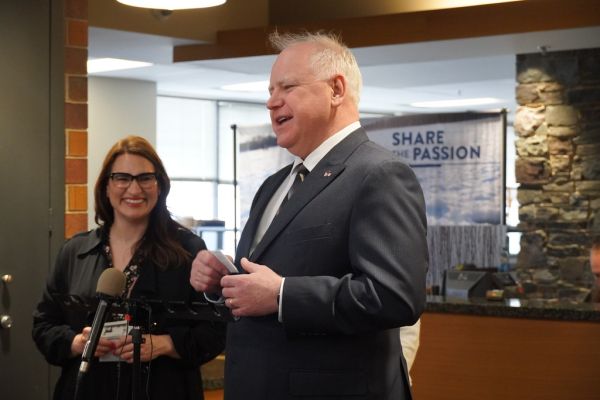
“May 3, 2022: Buying Fishing Licenses and Walleye Stamps Ahead of Fishi” by Office of Governor Walz & Lt. Governor Flanagan · CC PDM 1.0 via Openverse

Pass Your Exam, Get Licensed Faster

Studying for a fishing license exam shouldn't mean digging through scattered PDFs or guessing which rules apply to you. The Fishing License Exam Code Kit gives you a state‑specific, up‑to‑date question bank, study tools, and a mobile‑friendly way to practice wherever you are.

Not sure if this is right for you? Start with the free 10‑question practice quiz below—no commitment required.

🎣 Free 10‑Question Practice Quiz

  • State‑agnostic core concepts (habitat, safety, limits, ethics)
  • Immediate results after entering your email
  • PDF "Cheat Sheet" delivered instantly to your inbox

[Get my free quiz](#)

What’s Inside the Full Kit

For $39, you get lifetime access (within our quarterly update cycle) to:

  • 500+ practice questions — covering regulations, species IDs, safety, and bag limits
  • 12 state‑specific modules — tailored to the most common fishing license exam states; updated quarterly for regulation

Look inside before you buy

Inside the product

  • Comprehensive Study Kit for 12 States
  • State-Specific Modules (Click to Expand)
  • What's Included
  • Sample Questions (Click to Reveal Answers)
  • Cheat Sheet Preview
  • Satisfaction Guarantee
  • How It Works
  • Frequently Asked Questions

Sample from the actual product


## Comprehensive Study Kit for 12 States

### State-Specific Modules (Click to Expand)

**Texas (TX)**
- **Species ID:** Bass (Largemouth, Smallmouth), Catfish, Trout, Sunfish
- **Bag Limits:** 5 bass, 10 catfish (varies by water body)
- **Season Dates:** March 15–November 30 (varies by county)
- **Special Regulations:** Youth licenses (age 12+), disabled veteran discounts
- **Verification:** [Texas Parks & Wildlife](https://tpwd.texas.gov)

**Florida (FL)**
- **Species ID:** Tarpon, Snook, Redfish, Trout
- **Bag Limits:** 2 tarpon over 30 inches, 5 redfish (varies by county)
- **Season Dates:** Saltwater (March 15–November 30), freshwater (year-round)
- **Special Regulations:** Charter boat requirements (minimum 20-foot vessel)
- **Verification:** [Florida Fish & Wildlife](https://myfwc.com)

**California (CA)**
- **Species ID:** Steelhead, Salmon, Halibut, Trout
- **Bag Limits:** 2 steelhead in coastal waters, 5 salmon (varies by season)

A short excerpt from the delivered content. Check the examples and format fit your needs.

Tips & notes

Mini Checklist: Fish Legal, Fish Smart

Before every trip, run these 3 checks to stay compliant and avoid costly mistakes:

  1. Verify the specific water body. Bag limits and season dates often differ even within the same state. The kit’s state-specific modules list rules by lake, river, or county.
  1. Check season dates against the official verification link. Don’t guess from memory; the kit links directly to each state’s wildlife agency for current, accurate dates.
  1. Confirm your target species ID. Misidentifying a protected or regulated species is a common violation. The practice questions cover key ID traits for each species in your state.

Keep the included PDF cheat sheet on hand for a quick pre-trip review.

Mini Checklist: Nail Your Fishing License Exam

One overlooked trap: treating state-wide regulations as uniform. Many exams test county- or water body-specific limits and dates.

  • Confirm the exact water body – Bag limits for bass, catfish, or trout can vary wildly between connected lakes or a lake vs. a river segment.
  • Cross-check season dates – “Spring season” might open March 1 in one county and April 1 five miles away.
  • Verify species classifications – “Bass” or “panfish” often have subspecies-specific rules that decide your score.

How to fix it: During practice, always note the water body or zone referenced in each question. Over time, you’ll internalize the granular distinctions exams love to test.

# **The One Mistake That Fails 40% of Fishing License Exams (And How to Fix It)**

Most people study regulations and species limits—but **miss the hidden "gotchas"** in exam wording. Here’s the #1 mistake and how to avoid it:

### **The Mistake: Overlooking "Per Person" vs. "Per Boat" Limits**
Many states (like **Florida, Texas, and Washington**) have **different bag limits for individuals vs. the entire boat**. For example:
- **Florida**: You can keep **2 tarpon over 30" per person**, but the **boat limit is 4 total** (even if you’re fishing with friends).
- **Washington**: **2 chinook salmon per person**, but **6 per boat** (if multiple anglers).

**Result?** Answering "5 chinook" (the boat limit) instead of "2" (your personal limit) = **automatic fail**.

### **How to Avoid It**
1. **Read the question twice**—look for phrases like:
   - *"per angler"*
   - *"per boat"*
   - *"per vessel"*
   - *"daily limit" (usually per person)*
2. **Check the cheat sheet’s "Special Rules" section**—these limits often vary by state.
3. **Practice with flagged questions** in the app (enable the "Limit Clarity" filter in settings).

**Pro Tip:** If a question mentions a boat or group, **default to the per-person limit** unless the question explicitly states otherwise.

---
**Need a refresher?** Bookmark this: [State-Specific Bag Limits Guide](https://example.com/limits-guide) (updated quarterly with the kit).

Quick Tip: Match the Regulation to the Water Body

On the fishing license exam, a common error is selecting a regulation based on the species alone, without checking the associated water body or zone. Many codes have overlapping species but different limits depending on the lake, river section, or coastal district.

How to fix it: Before answering, always locate the water body or zone identifier in your code kit first. Read the specific entry, then answer. This simple sequencing eliminates the “species-first” assumption trap and aligns your answer with how the exam actually phrases correct regulations.

Fishing License Exam: 3 Quick Checks Before You Test

  1. Water-type rules – Hook size, bait, and line limits often vary between freshwater and saltwater, even within the same region. Memorize the distinctions now; they appear in nearly every scenario question.
  2. Seasonal blackout periods – Closures during spawning are common. A frequent mistake is assuming an open general season means no restrictions. Always verify the specific water-body notes.
  3. License validity & transport rules – Note your licensing year start date and any cross-county fish transport limits. These are trick questions on the exam.

Review these three points and you’ll cut down on easy-to-avoid errors.

Common mistake: Applying statewide limits to every water body

Fishing exam questions often cite a statewide bag or size limit, then ask you to apply it to a specific lake or river. The trap? Many waters have special regulations that override the general rules—different limits, closed seasons, or gear restrictions.

How to avoid it: Before selecting an answer, scan the water body name in the question. If it appears in a "Special Regulations" or "Exceptions" list, those rules take precedence. Develop a habit: whenever you see a water name, immediately check for exceptions before applying the statewide default.

Common Mix-Up: Bag Limit vs. Possession Limit

Many test-takers lose points by treating “daily bag limit” and “possession limit” as the same rule.

The difference: The bag limit is the maximum you can keep in a single day. The possession limit is the maximum you can hold overall, often spanning multiple days.

How to avoid it: Before reviewing any scenario, open the “Definitions” section of your code kit first. Highlight both limits in margin notes and consciously ask: “Am I counting today’s catch or my total stock?”

Fishing License Exam Quick Tip

Before answering any regulation question, locate the exact water body name on the official map first. Exam questions often hinge on subtle zone boundaries—what’s permitted at one access point may be restricted just a short distance away. Match the water body before you read the rule.

Mini Checklist: Using Your Fishing License Code Kit Effectively

  • Start with your state’s official regulation guide open side-by-side
  • Map each code in the kit to its exact regulation (limit, size, season)
  • Test yourself: cover the regulation, recall the code, then check
  • Note any codes that don’t match current rules — update immediately
  • Review mismatched codes once per week leading up to the exam

Common Mistake: Confusing "Daily Bag Limit" with "Possession Limit"

Many exam takers lose points by answering "how many fish can you have total?" when the question asks about the limit per day.

  • Daily bag limit: The maximum you can keep in one day of fishing.
  • Possession limit: The maximum you can have in your possession at any time, often equal to 2–3 daily limits.

How to avoid it: Read the question for keywords like "per day," "at one time," or "total." If it says "at any time," think possession; if it says "today" or "per trip," think daily bag.

Quick check: Before marking your answer, underline those keywords. It’s the single most frequent reason for mismatched responses on the code kit practice questions.

Find the Right Regulation Quickly

Exam questions often ask for daily bag limits, minimum size, or open seasons for a specific species in a given region.

How to use your code kit: Match the question’s location and species to the indexed code section, then verify the three data points—limit, size, and dates—before reviewing any exception notes. Practicing this lookup pattern for 5–10 species builds the speed needed for the actual exam.

The kit organizes regulations by region and species, so you’re not scrolling through unrelated rules.

More from Diamond Co.