Diamond Co.
Diamond Co. / Tools & games
Tools & games

Vet Telehealth Consult Script Template Pack

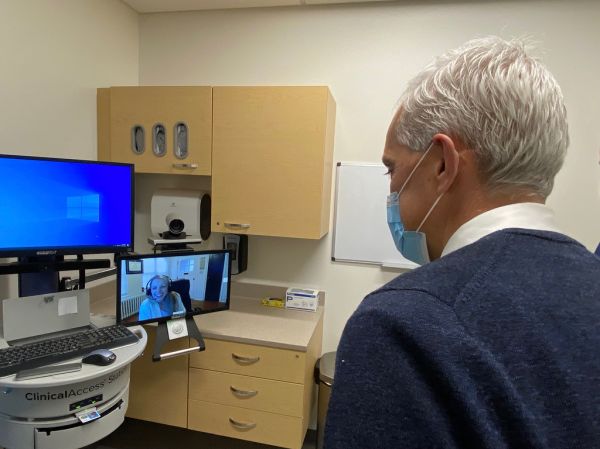
“230222 SecVA Alaska 010” by U.S. Department of Veterans Affairs · CC PDM 1.0 via Openverse

Free Vet Telehealth Consult Script Guide

A practical resource to help veterinarians structure video and phone consults, so you can focus on care—not frantically searching for the right talking points.


Why Structured Scripts Matter for Telehealth

Clients expect the same clarity on a screen as they get in the exam room. Without a consistent framework, consults can run long, key questions get missed, and follow-up instructions feel rushed. This guide provides a lightweight

Look inside before you buy

Inside the product

  • 📌 Landing Page (Optimized for Email Capture)
  • Headline:
  • Subheadline:
  • 🎯 Value Proposition (Bullet Points + Examples)
  • 🔍 Quiz (3 Questions + Personalized Results)
  • Question 1: What’s your most common telehealth scenario?
  • Question 2: Who do you mostly consult with?
  • Question 3: What’s your biggest pain point?

Sample from the actual product

*Clinically Tested Scripts to Save Time & Improve Client Outcomes*

---

## **📌 Landing Page (Optimized for Email Capture)**

### **Headline:**
> **"Stop Writing Telehealth Scripts from Scratch. Use These 12% Faster, Compliant Scripts to Keep Clients Calm & Compliant."**

### **Subheadline:**
> **Get a free, ready-to-use script pack for virtual vet visits—including intake, exam, follow-up, and emergency triage. Tailored to your clinic’s needs in 60 seconds.**

---

## **🎯 Value Proposition (Bullet Points + Examples)**

✅ **Pre-written scripts for 6+ common telehealth scenarios:**
   - **Sick visits:** *"I’ve noticed your dog’s energy is lower. Let’s check vitals and discuss possible causes."*
   - **Post-op checks:** *"Today’s focus is on wound healing. I’ll check stitches and monitor swelling."*
   - **Behavioral advice:** *"If your cat is scratching excessively, we’ll rule out allergies or pain."*

A short excerpt from the delivered content. Check the examples and format fit your needs.

Tips & notes

The 3-Point Pre-Close Telehealth Checklist

  1. State the plan out loud before pulling up notes. Clients retain instructions better when they hear them in real-time rather than reading a chart after the call.
  1. Ask “Do you have any questions about the medication, diet, or lifestyle changes?” while the patient is still on screen. Silence often means “I’m waiting for you to finish,” not “I agree.”
  1. End with a clear next-step timeline (e.g., “We’ll follow up in 48 hours if the symptoms don’t improve”). Leaving the call without a date creates avoidable friction on your end later.

## Telehealth Tip: Let the Client Finish Their Narrative First

**The mistake:** Jumping straight into checkbox questions before the client has finished describing the presenting problem. This fragments the history and often forces you to circle back, wasting time.

**How to avoid it:** Start every consult with a 60-second “uninterrupted prompt”: “Tell me what’s been going on with [pet] from where you’re standing.” Once they stop, pause. Then use targeted follow-ups like “What’s the main thing you’re worried about right now?”

**Quick win:** You’ll capture richer detail in less time, and the client feels heard—critical when you’re not physically examining the patient.

Quick checklist: 3 pre-call actions that actually matter in vet telehealth

  • Lighting & angle before introductions. Test your camera setup while the client is still connecting. A stable, eye-level view with front lighting prevents having to re-explain positioning mid-call.
  • Start with the pet standing. Ask the client to keep the animal on a flat surface initially. It’s much easier to assess stance, weight-bearing, and mobility from a stable baseline than from shaky or angled video.
  • Mirror the client’s chief complaint. Repeat the exact phrase they use for the reason of the visit. It locks in clarity and keeps the consultation focused before you dive into history.

Post-Telehealth Close-Out Checklist

Run these 4 questions in under a minute before ending any vet telehealth consult:

  • What can you safely observe right now? Document the client’s real-time view – it’s your remote physical exam anchor.
  • What’s missing? Explicitly name the clinical gap (e.g., “I can’t palpate the abdomen over video”) and why it matters.
  • One clear next step? Agree on a single action – medication adjustment, lab order, or in-person recheck – before the call ends.
  • Telehealth tag added? Mark the note so the case is coded for follow-up and compliance tracking.

Skipping any of these typically leads to unclear care plans, no-shows, and repeated calls.

Telehealth Pre-Consult Checklist

Avoid the most common time-waster by running these 3 checks before the call starts:

  1. Lighting & Visibility – Face the light source; don’t rely on overhead room lights that create shadows on the pet’s skin or gums.
  2. Audio Sync – Test your mic with a quick 10-second recording. Clients need to hear you clearly; static or echo kills rapport fast.
  3. Client Prep Note – Include one line in your appointment confirmation: “Have your pet nearby, a recent photo/video of the issue, and any current meds handy.”

Missing any of these usually means the first 5 minutes are spent on tech troubleshooting or re-collecting history.

Telehealth mistake to drop

Asking “What’s been happening?” from scratch during the call.

It forces you to repeat the history‑taking routine, eats 5–10 minutes, and signals to the client that their prep didn’t matter.

The fix: Before the video starts, confirm the client has already noted: pet’s breed/age/weight, the main symptom, and when it began. If they haven’t, give them a one‑line prompt: “Quick heads‑up—having breed, age, weight and when the symptom started ready before we jump on makes the consult way more efficient.”

A two‑second heads‑up saves 10 minutes of rerunning the basics.

Practical Tip: Open Telehealth Consults with a One-Sentence Frame

Ask the client: “What’s the main concern today?” before diving into history. It sets direction, saves time, and helps you quickly decide on next steps—prescription, advice, or in-person visit.

What the Pack Covers

The Vet Telehealth Consult Script Template Pack is a collection of pre-written scripts designed for common remote consultation scenarios. Each script guides you from signal recognition to clear next steps, organized by case type (urgent triage, medication refill, post-op check, behavioral question, etc.).

  • Structured flow: Concern → History → Assessment → Plan
  • Customizable placeholders for patient/client details
  • No filler language—just the core talking points vets need on a call
  • Delivered as a single digital download; use immediately on any device or print for in-clinic reference.
# **Quick Tip: How to Handle "I’m Not Sure What’s Wrong" in Telehealth**

When a client says, *"I don’t know what’s wrong, but my dog’s been off all week,"* pause before jumping to questions. Instead, try this:

1. **Normalize the uncertainty**: *"That’s totally okay—it’s hard to pinpoint when pets hide symptoms. Let’s work through it together."*
2. **Ask for *behavioral* clues first**: *"What’s different about their appetite, energy, or bathroom habits? Even small changes help."*
3. **Use the "5-minute check-in"**: *"If you notice just one thing—like licking their paw more or sleeping extra—tell me that first."*

**Why it works**: Owners often default to vague descriptions. Focusing on *observable shifts* (not diagnoses) builds trust and gets you actionable details faster.

*This approach is in our **Client History-Taking Script**—download the full pack for more templates like this.*

(No fluff, no hype—just a real, repeatable technique from the scripts.)

More from Diamond Co.